Getting around NYC

About Mass Transit
The mass transit system in New York City is one of the largest and busiest in the world, helping millions of residents and visitors travel throughout the five boroughs every day. Operated mainly by the Metropolitan Transportation Authority, the city’s transportation network includes the famous subway system, extensive bus routes, commuter rail lines, ferries, and paratransit services. The subway runs 24 hours a day and connects neighborhoods across Manhattan, Brooklyn, Queens, the Bronx, and Staten Island, making it an essential part of daily life in New York. Along with buses that serve local communities and major transit hubs, the system provides an affordable and efficient way to move around the city while reducing traffic congestion and supporting the fast-paced lifestyle that makes New York unique.
About NYC News
The Subway
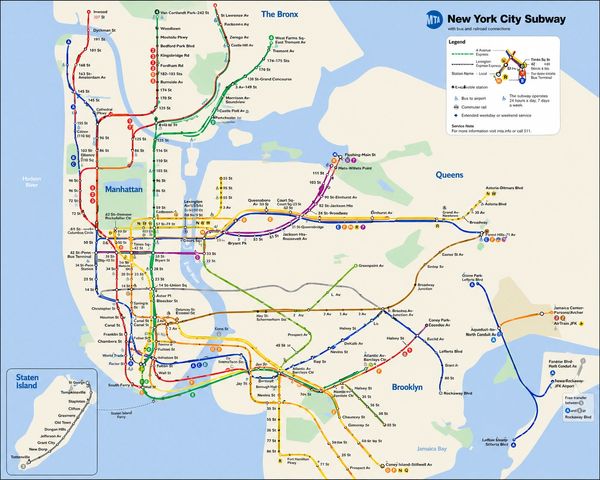
The New York City Subway is one of the largest and busiest public transportation systems in the world, serving millions of riders every day throughout New York City. Operated by the Metropolitan Transportation Authority, the subway runs 24 hours a day and connects Manhattan, Brooklyn, Queens, and the Bronx through hundreds of stations and dozens of train lines. First opened in 1904, the system has become an iconic part of New York City life, helping residents, workers, and tourists travel quickly and affordably across the city. Known for its fast-paced atmosphere, colorful subway cars, and famous station mosaics, the subway is more than transportation — it is a symbol of the energy and diversity of New York itself. For maps, schedules, and service updates, visit MTA Official Website.
NYC Ferry Line
The Ferry System
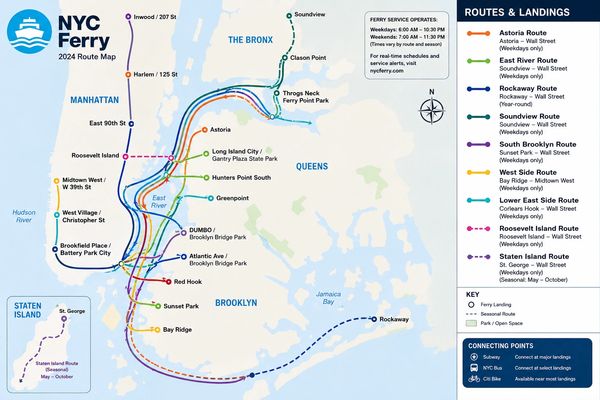
The NYC Ferry system has become an important part of transportation in New York City, connecting neighborhoods across Manhattan, Brooklyn, Queens, the Bronx, and Staten Island by water. Operated by NYC Ferry, the service offers commuters and visitors a scenic and convenient alternative to crowded roads and subways. Modern ferries travel along the East River, Hudson River, and New York Harbor, stopping at popular destinations such as Wall Street, Long Island City, Astoria, and Rockaway Beach. The ferry system not only helps reduce traffic congestion but also provides riders with stunning views of the city skyline, bridges, and landmarks like the Statue of Liberty and Brooklyn Bridge.
Bussing Around NYC
MTA Buses
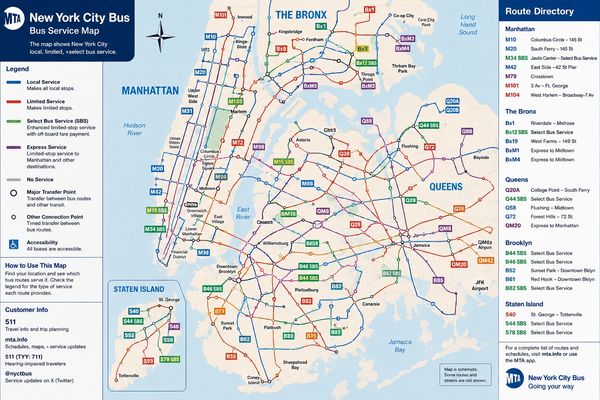
The MTA Regional Bus Operations system is a vital part of transportation in New York City, providing millions of rides each year across all five boroughs. Operated by the Metropolitan Transportation Authority, NYC buses help connect neighborhoods that may not be directly served by the subway system. From busy crosstown routes in Manhattan to local and express buses in Brooklyn, Queens, the Bronx, and Staten Island, the network gives residents and visitors an affordable and reliable way to travel throughout the city. Many buses now feature modern technology such as digital arrival screens, contactless OMNY payment systems, and environmentally friendly electric or hybrid vehicles. The city’s famous blue-and-white buses are an everyday symbol of life in New York, keeping the city moving day and night. Learn more at MTA Official Website.
About NYC News
Citi Bike
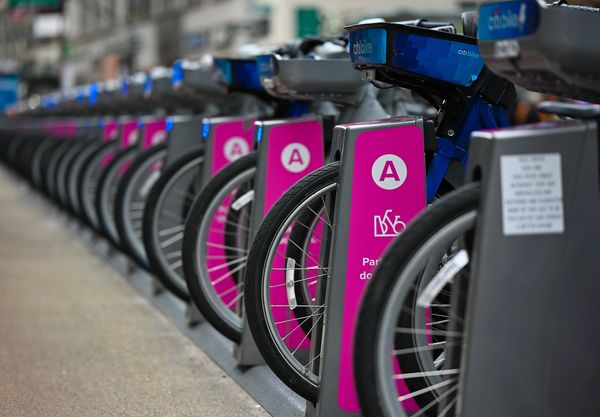
The Citi Bike program has become one of the most popular and convenient ways to travel around New York City. Launched in 2013, Citi Bike allows residents and visitors to rent bicycles from docking stations located throughout Manhattan, Brooklyn, Queens, the Bronx, and parts of Jersey City. Riders can choose from traditional bikes or electric e-bikes, making it easy to commute, explore neighborhoods, or enjoy scenic rides along the waterfront and city parks. Operated in partnership with Citi Bike, the system promotes environmentally friendly transportation while helping reduce traffic congestion. With thousands of bikes and stations across the city, Citi Bike has become an important part of New York City’s growing network of sustainable and active transportation options.
Our Partners


